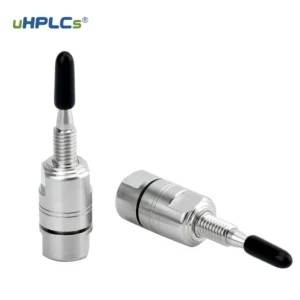
Replacing a gas flow restrictor requires careful attention to safety, given the potential hazards associated with gas leaks. Here’s a general guideline for replacing a gas flow restrictor:
Safety First: Always ensure that the gas supply is turned off and that the area is well-ventilated. If you smell gas at any point, stop what you’re doing, evacuate the area, and call a professional or emergency services.
Preparation:
- Gather necessary tools: wrenches, screwdrivers, replacement restrictor, Teflon tape or thread sealant, etc.
- Turn off the gas supply at the main valve or the specific appliance’s shut-off valve.
- Ensure the area is well-ventilated.
Locate the Gas Flow Restrictor:
- The flow restrictor is typically located near the gas inlet of an appliance or within the gas line system.
- Refer to the appliance’s manual or schematic diagrams if available.
Removal:
- Use the appropriate wrench to disconnect the gas line or fitting where the flow restrictor is located. Be gentle to avoid damaging any connections.
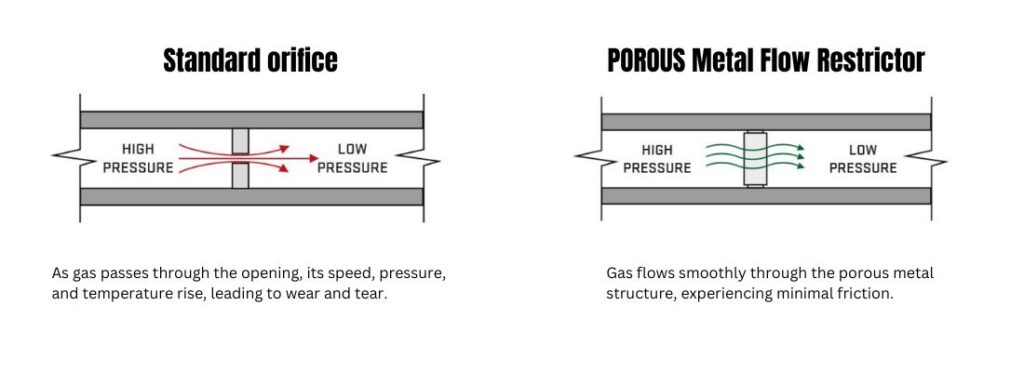
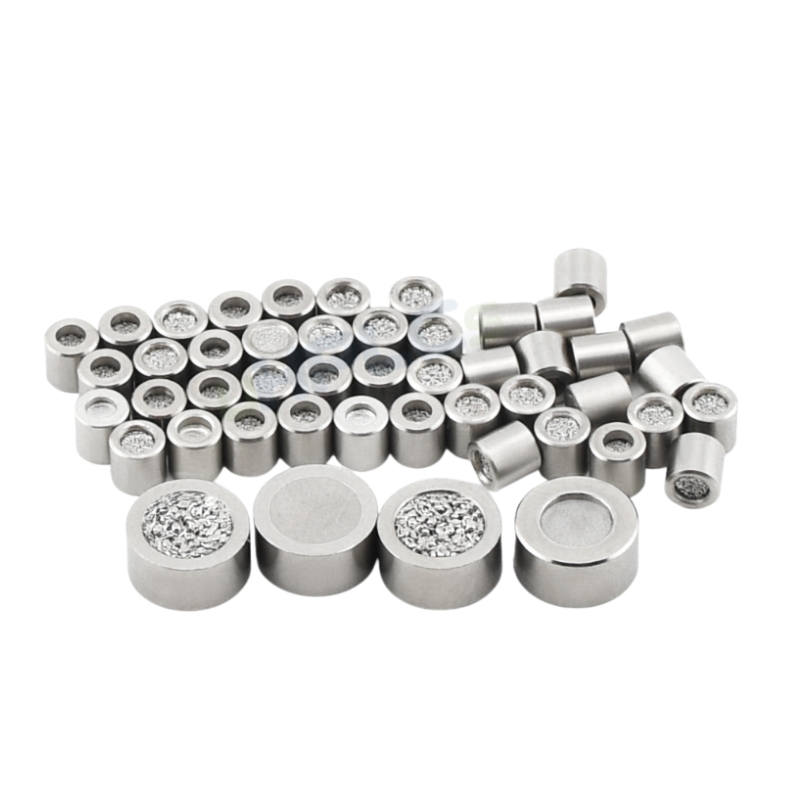
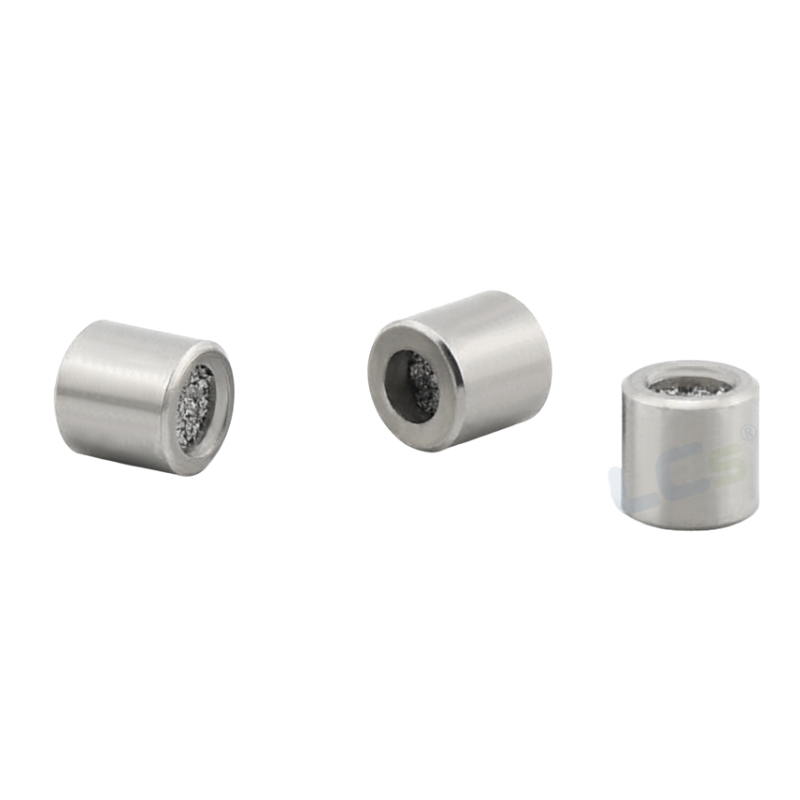
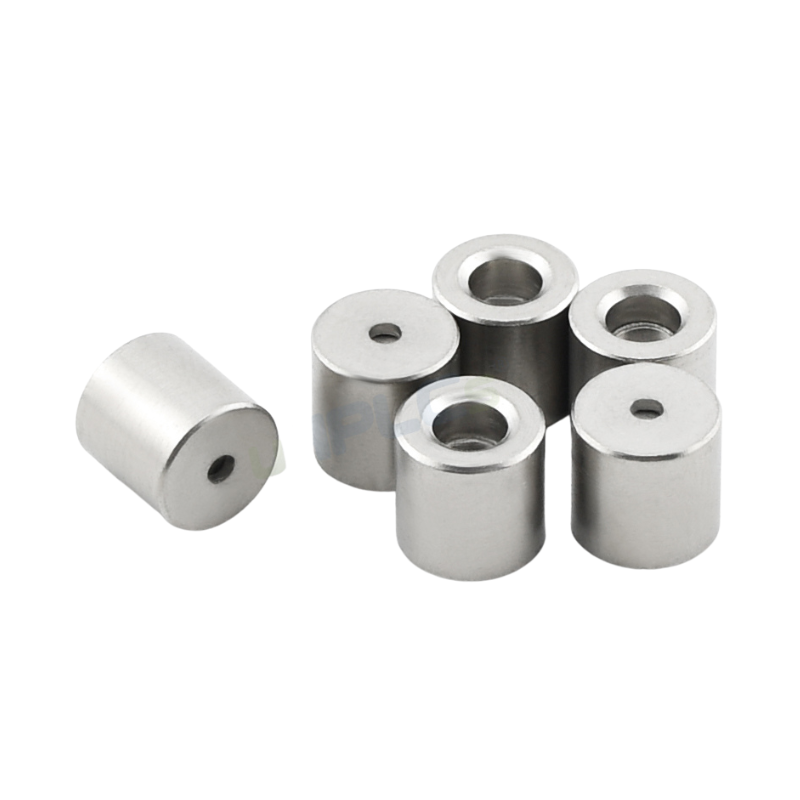
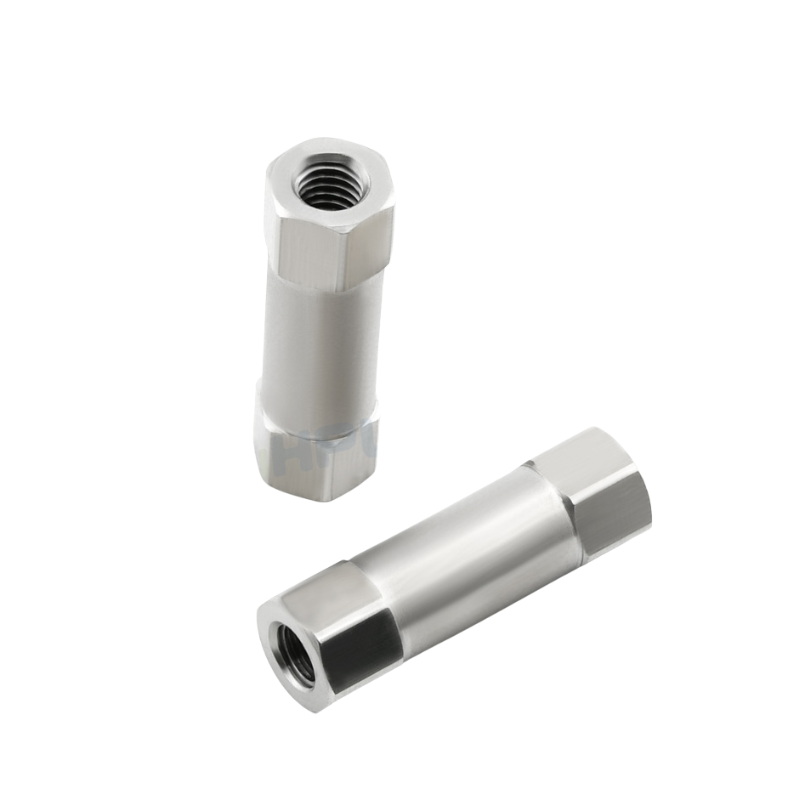
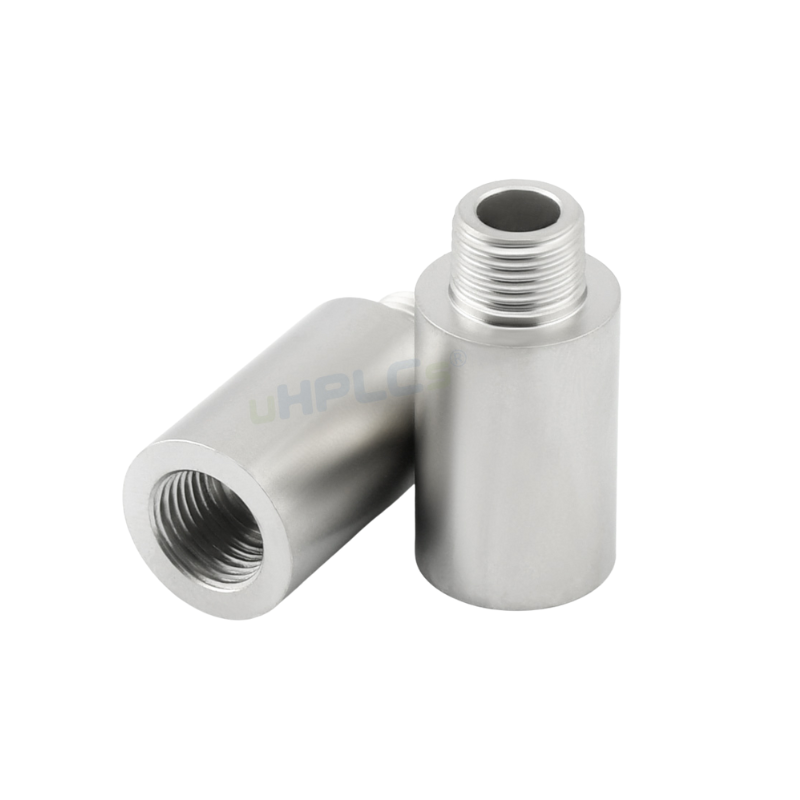
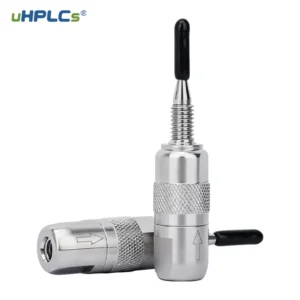
- Once disconnected, you should be able to access and remove the flow restrictor. It might be a small disc or a fitting with a specific orifice size.
Install the New Gas Flow Restrictor:
- Place the new flow restrictor in the same position as the old one. Ensure it’s oriented correctly.
- If threads are involved, apply Teflon tape or thread sealant to ensure a gas-tight connection.
Reconnect:
- Carefully reconnect the gas line or fitting. Ensure all connections are tight and secure.
Test:
- Slowly turn the gas supply back on.
- Check for any signs of gas leaks using a gas leak detector or a soapy water solution (bubbles will form if there’s a leak). If you detect a leak, turn off the gas supply immediately and tighten connections or seek professional help.
- Once you’re sure there are no leaks, test the appliance or system to ensure the gas flow is appropriate.
Dispose of the Old Restrictor:
- Ensure you dispose of the old restrictor in an environmentally friendly manner.
Note: If you’re unsure or uncomfortable with any step, it’s always best to hire a professional or expert to handle the replacement. Gas systems can be dangerous if not handled correctly, and safety should always be the top priority.